In preparation for our upcoming visit to Ealing Country Dance Club, here is Jenny Pluck Pears, from the Playford Collection. Dots, followed by two very different versions of the tune.
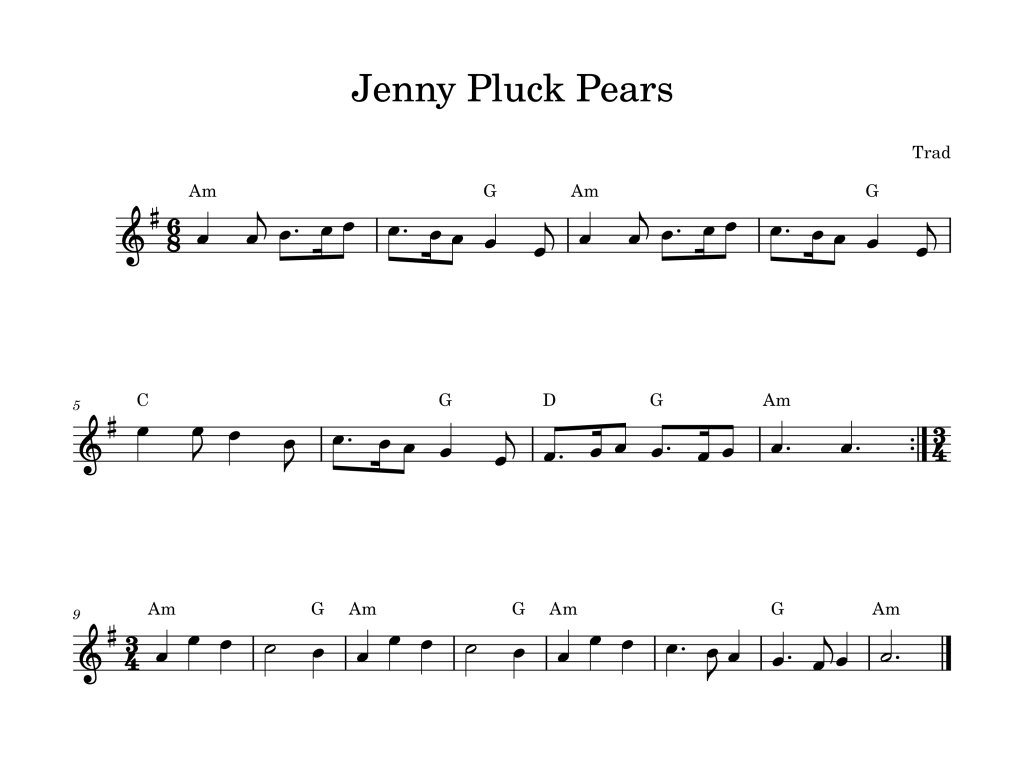
In preparation for our upcoming visit to Ealing Country Dance Club, here is Jenny Pluck Pears, from the Playford Collection. Dots, followed by two very different versions of the tune.
Here are the tunes covered by Tom at the end of June:
Here’s a heads up for Monday 19th’s tune – we’ll have a fair bit to go through, but it’s all doable!

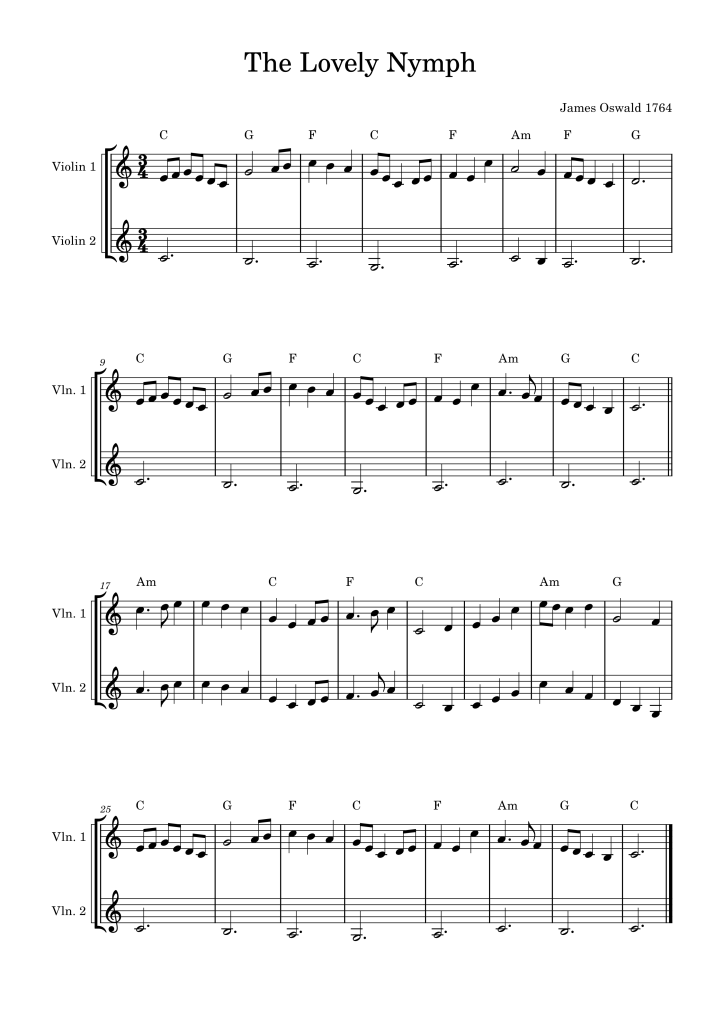
Monday 12th May’s tune, for our upcoming visit to Ealing Country Dance Club, The Lovely Nymph. I’ve added an optional harmony, video to follow!
Here is a rather lovely version of the tune by Melobo.
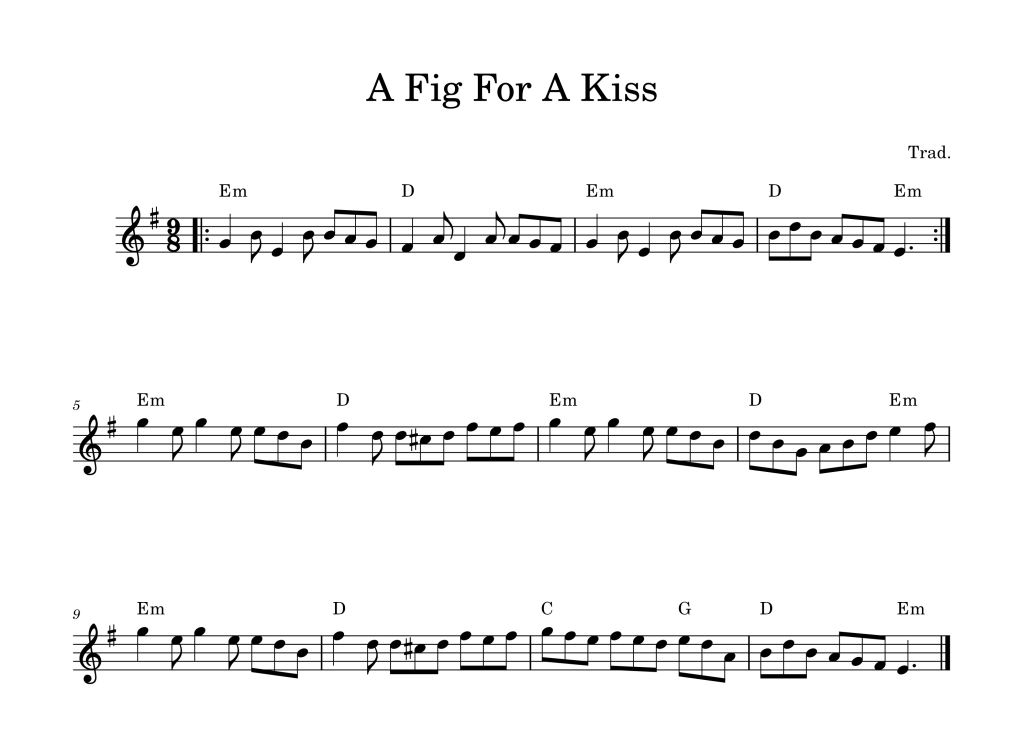
A slip jig (9/8) played in Scotland and Ireland. The beetle in question is “the name in parts of northern Ireland and Scotland for a heavy wooden implement shaped like a pestle or club that was used to mash potatoes (sometimes called a ‘potato-beetle’), and colloquially used as a verb meaning ‘to give a beating to’, as in “I’ll beetle him!” (Source; The Trad Tune Archive).

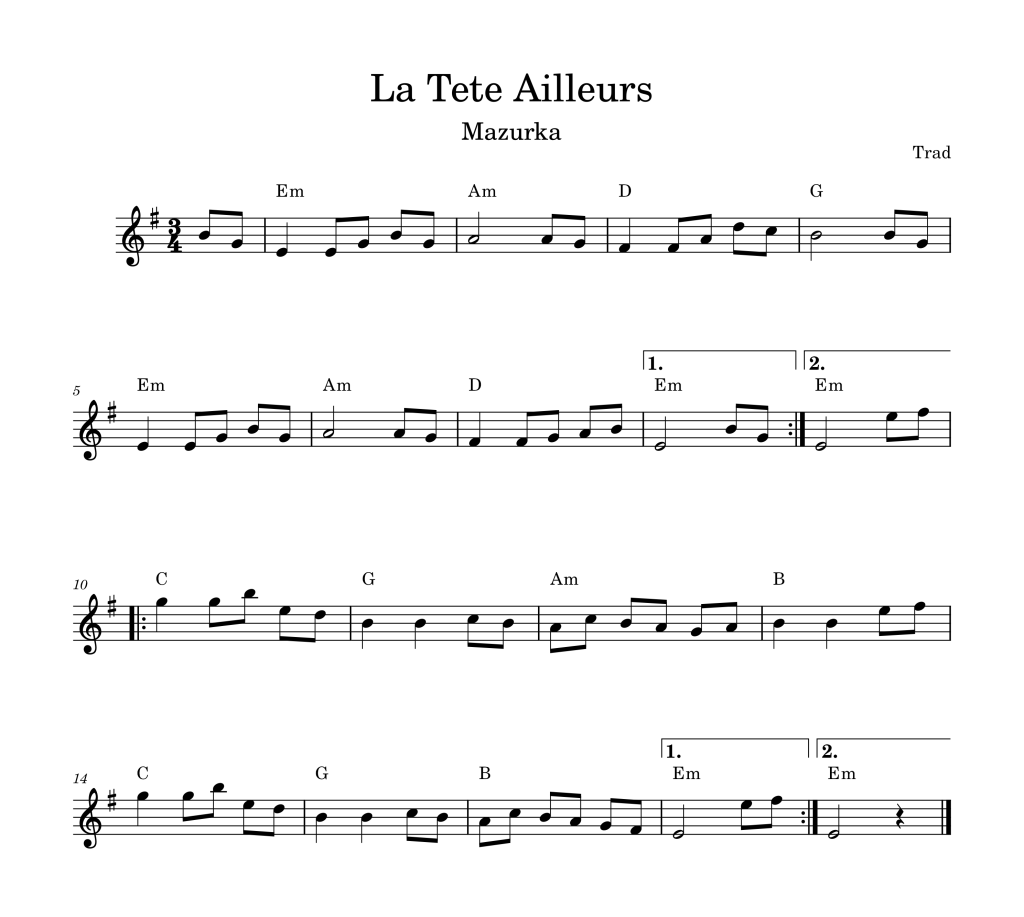
In order to create an accompanying pattern for our recent tunes in 3, we took inspiration from the melodic pattern in bar one of La Tete Ailleurs. This is essentially an E minor triad (three note chord) so we played it and then transposed the pattern for each chord in the piece, starting on an A for the A minor chord, a D for the D major chord etc.
We then took things up a notch, changing the inversions of the triads to keep the patterns a similar register. What’s an inversion? It’s the order in which you play the notes, for instance an A minor triad is ACE in root position, CEA in first inversion and EAC in second inversion. Below is a version that uses root and second inversion chords to create a part that flows.
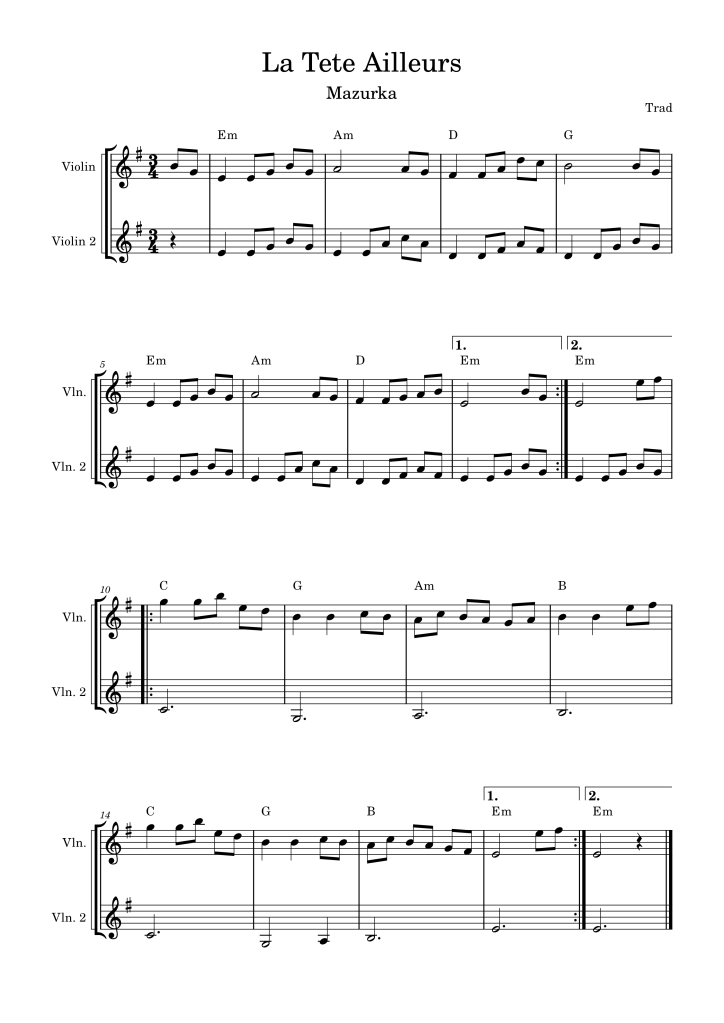
We switched to long notes in the B section to vary the texture, choosing the root note of each chord.
A fantastic French mazurka from Elaine, with apologies for the late posting!
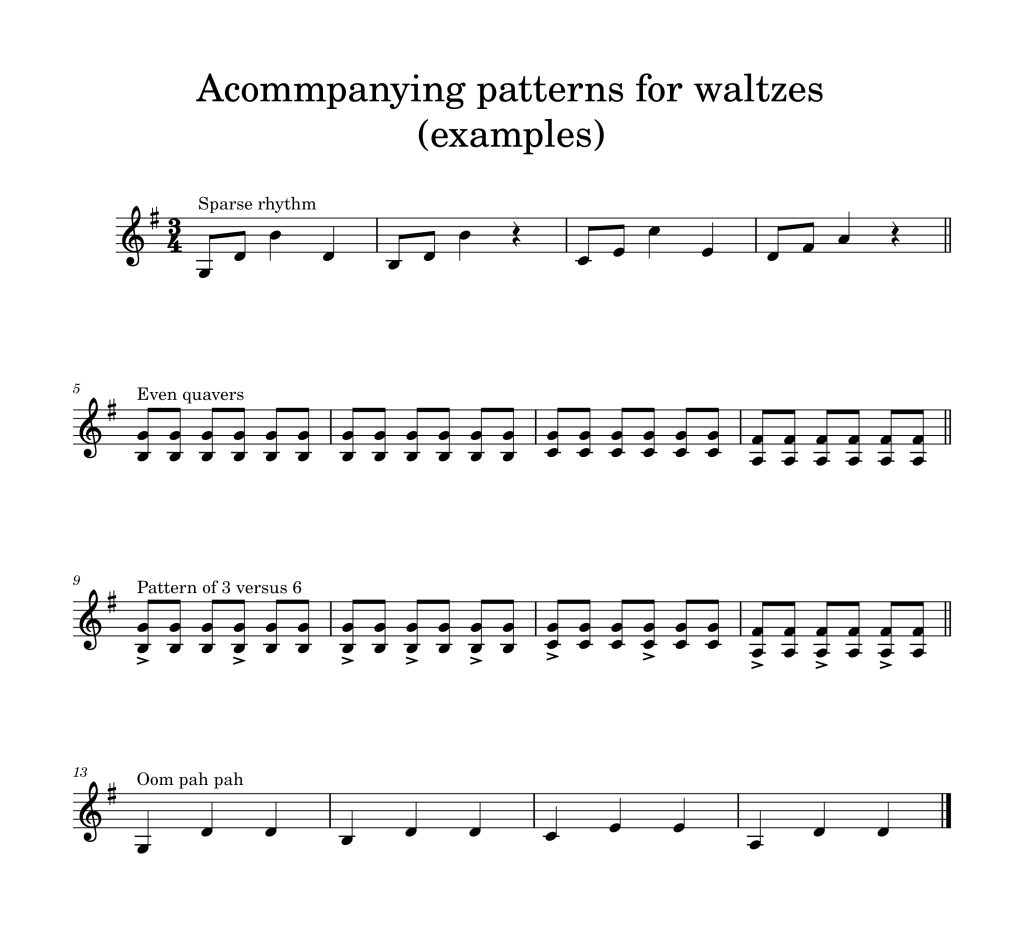
Here are some examples of the rhythms we have been using for waltzes over the last few weeks. These work for Vidar Valsen as well as for other old favourites such as Sir John Fenwick.
Here’s Monday’s tune, Vidar Valsen by Norwegian musician Vidar Skrede.

As a break from my face, here’s Blazin Fiddles‘ rendition of the tune:
 New Ealing Sessions