Accompaniment patterns for Mynnyd Yr Heliwr

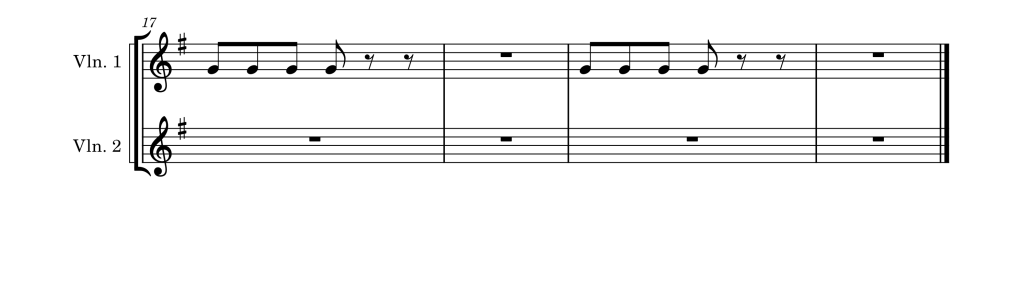
We tried three different accompaniment patterns for our tune, with an alternative set of chords from week one – each player picked a note from each chord, linking them together to create their own personalised part.

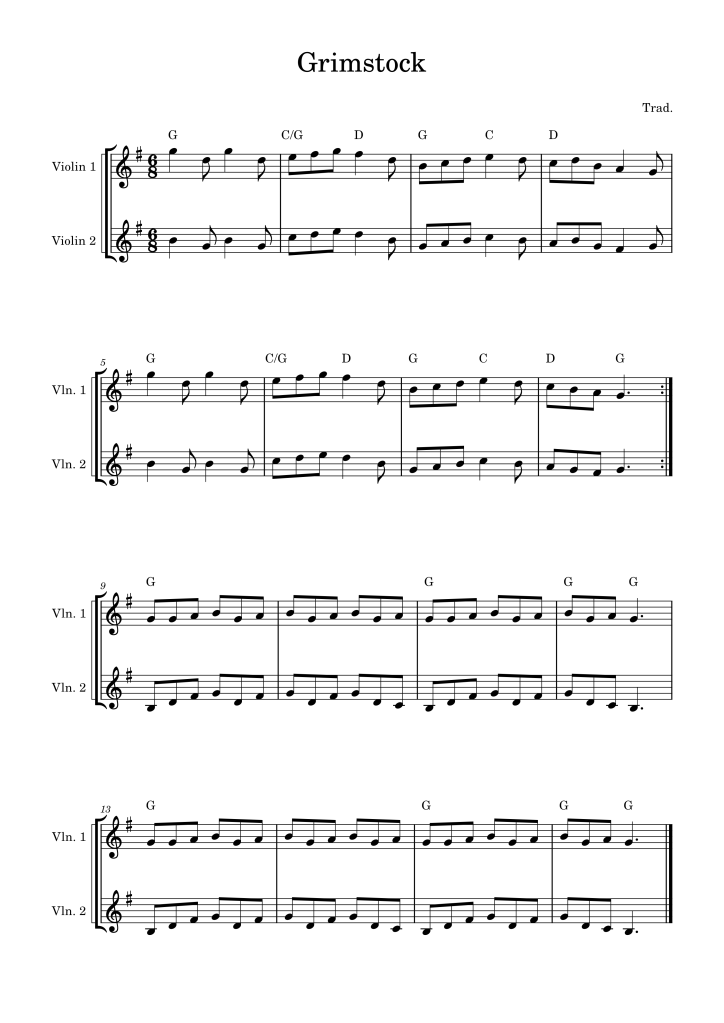
Looking at the PDF below, A is the short stabs, B has the overlapping patterns used earlier in the term and C is the feature rhythm for the A section only. All are illustrated with the A section and the notes used are also illustrative, please use your own chosen notes:

Tune with new chord sequence:

Extra task: try playing the tune in a different key, specifically A minor. Why?

1. Many tunes have more than one ‘standard’ key that they tend to be played in, and so being able to switch into a different key is a very useful skill to have in any setting. Examples of this are Cock of the North (G/A/D), Jump at the Sun (Gm/Em) and Mrs McCloud’s (G/A mixolydian).

2. Thinking in terms of intervals rather than in terms of fingerings/notes will make you more flexible as a musician. It’s good for your brain! I don’t expect many of you to be able to get it perfect first time, that’s not how learning music works, but practising this skill will also help to get the tune firmly into your memory banks.

Mr Moore’s Hornpipe

Here’s our tune from Monday 29th, Mr Moore’s Hornpipe. It’s widely used as a Border Morris tune, first (it seems) by the team Boggart’s Breakfast – the tune appears to come from the Thomas Watts manuscript of the late 18th century, from the Peak Forest in Derbyshire (researched by Brian Peters of Glossop). The tune as I know it is a little different from the manuscript,  I think this is most likely the ‘session effect’ where tunes get tweaked and rounded out over time.

Here’s the tune in action, in the dance Lorenz’s Shiny New Butterfly by Sheffield border Morris team Boggart’s Breakfast:

Swanton Abbot Hornpipe

A tune from Norfolk, the Swanton Abbot Hornpipe (originally just called Hornpipe) collected by George Watson in the late 1800s. There is a nice write up on the Village Music Project website about the Watson collection, for anyone who’s interested.

You’ll notice that the chords don’t resolve the D at the end of each section – this is on purpose! We often think of a 32 bar tune as being just that but in reality the tune will be played four or five times in a row, and so the constant return to the tonic key at the end of each section can become somewhat tedious. While we won’t use the G chords every time, this serves as a reminder to think of the whole arc of the repeated tune and not just the short, written down tune that we see in the notation.

Here’s a fantastic version of the tune by Nick Wyke and Becki Driscoll

https://nickwykeandbeckidriscoll.bandcamp.com/track/george-watsons-hornpipe

And a very different version by Dave Shepherd:

UPDATE:

Here’s a PDF of the accompaniment pattern, with its stereo effect:

and a video of the accompaniment alone (beginning) and with the tune (from 1:46) – my phone hasn’t picked up the pattern very well, but you can hear it in places.

The Rights of Man

The tune from June 9th, as requested by Mary D, The Rights of Man. This is a hornpipe that was first published in the 1870s, it’s played widely across Ireland, Scotland and England. I’ve included two chord progressions (as PDFs), we will examine the effects of these next week, amongst other things.

Here’s a video (with focus on violin left hand) with some of the variations we tried, there are also some interesting sound recordings on the TuneArch.org page.