Here is the arrangement for last week, with both sets of chord progressions on the same page. The staccato chord rhythm for version of the tune is as follows:
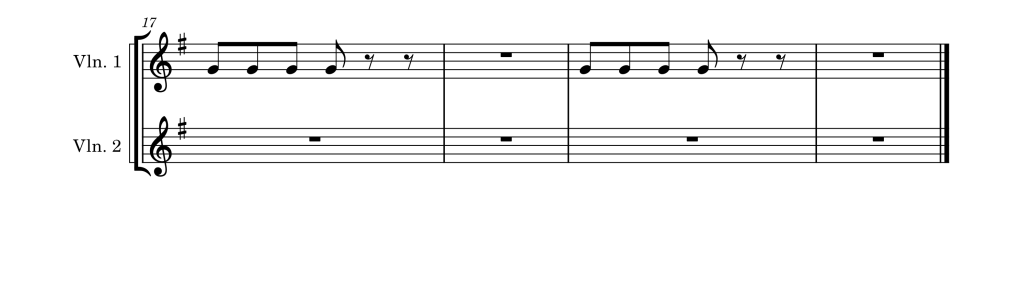
Here is the arrangement for last week, with both sets of chord progressions on the same page. The staccato chord rhythm for version of the tune is as follows:
New term, new tune! From the 1651 Playford collection, this is Grimstock.
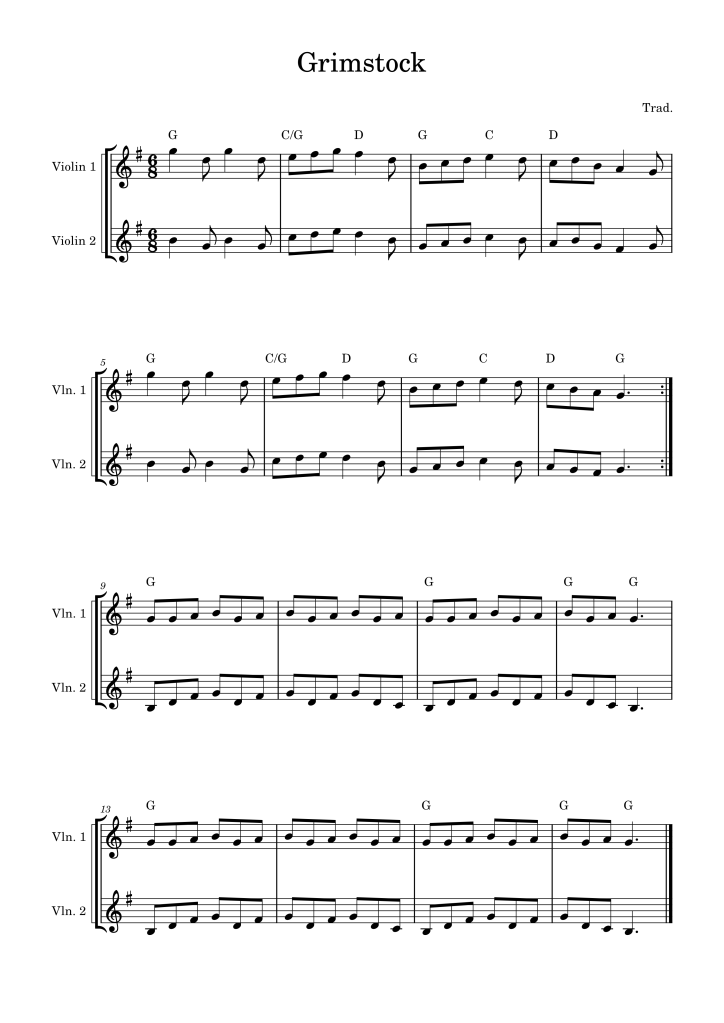
We will explore some more strumming/accompaniment patterns next week. And who can resist a little Pride and Prejudice? There are some lovely videos of this tune on Youtube, I’d recommend having a look, though most are from the historical performance perspective rather than from a folk perspetive!
*Apologies for the spelling mistake! This will be rectified shortly – it’s Mynydd, not Mynnyd*
A lovely Dorian mode (the modal minor that has a raised sixth, in this case a C#) jig from Wales.

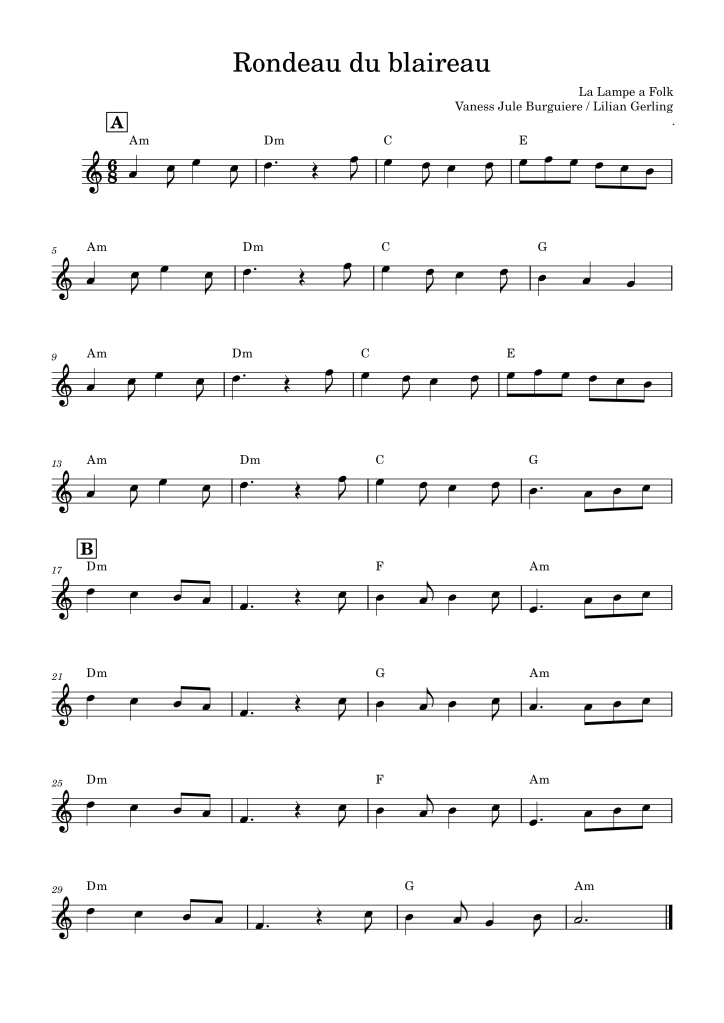
Welcome back everyone! We’ve kicked off with an amazing French tune by the wonderful La Lampe a Folk; Rondeau du Blaireau.
Our accompanying pattern was as follows, creating a hypnotic texture (two-bar pattern in an ascending scale pattern):
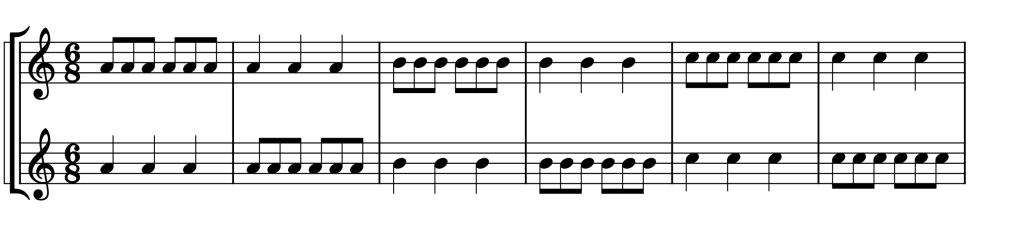
Here’s the tune:
Here are the tunes covered by Tom at the end of June:
It’s a Playford tune! We need it for the ECDC visit! I will update the info at a later date! Here it is:
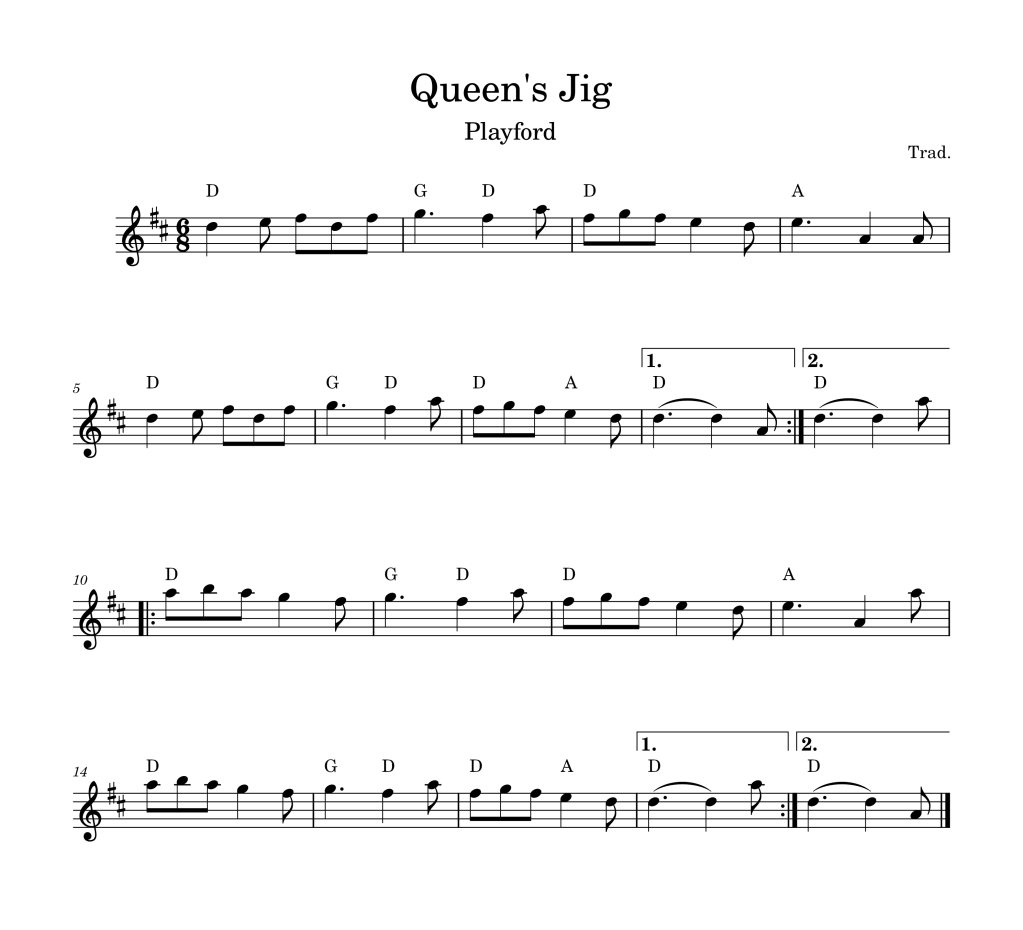
A tune to potentially go with Hardiman’s Fancy, Irish jig Tobin’s Fancy. This has similar double-jig rhythms to Hardiman’s, with a similarly wide range of notes. At the time of choosing, I didn’t know what key Hardiman’s had been learned in, so D major was a good option for the various keys that this tune tends to be played in – we’ll find out later if that works!
24/6/24 edit: I have updated the tune with some slurs across the bar lines, to give the tune a sense of flow and lilt – these are purely examples of where these can go and should not be considered definitive or concrete! Three or four slurs per 8-bar section is plenty.

Here’s Irish tune Hardiman’s Fancy from guest tutor Tom Newell. Now with added chords!
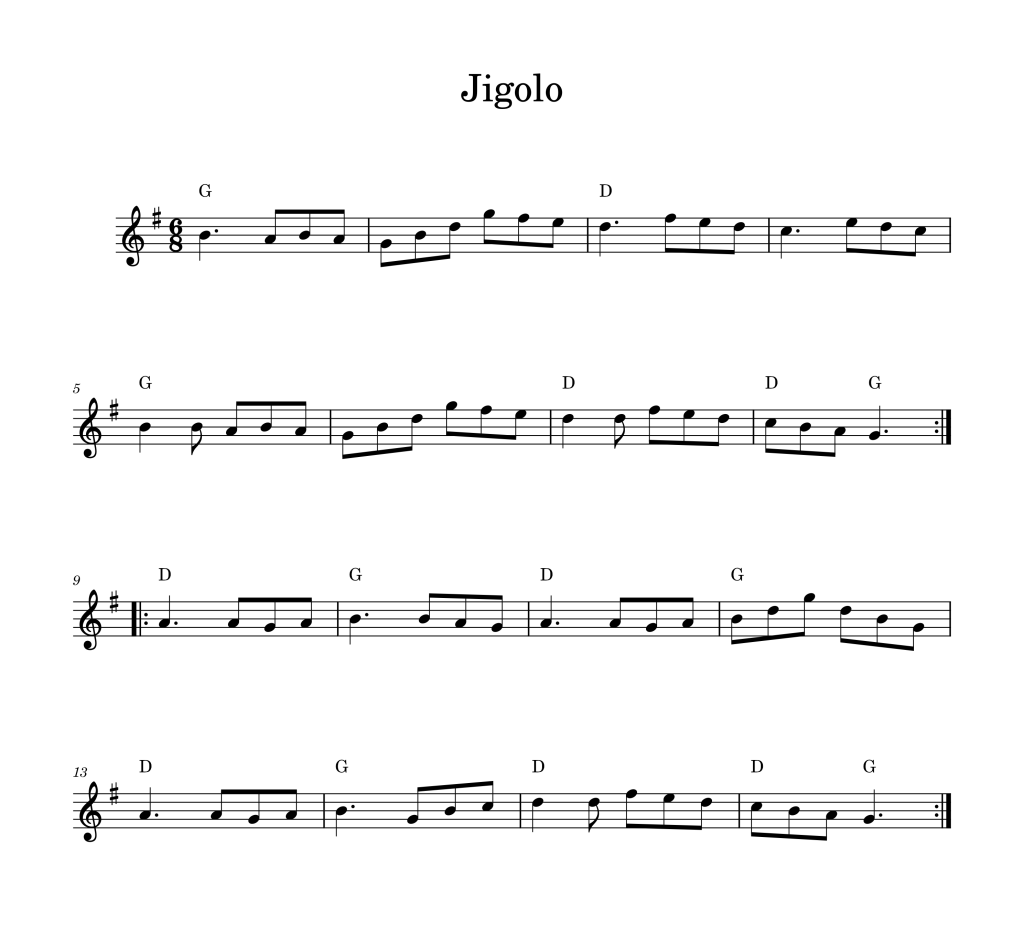
Here are the videos and dots for Jigolo, a Welsh tune by Iolo Jones – we’ll be sticking with this one for a few weeks as well as returning to The Mallard and trying various things there too.
Try adding joining notes between A section repeats and B sections too, notes above or below the main notes work well, or a D of some description can also sound good.
The Mallard is a tune from a long time ago! I wanted to revisit it and to potentially pair it with Enfield Wash, though I found it a bit notey and so wanted to simplify it a little.
Stage one: we took out as many notes as we could until we had the bare skeleton of the tune – but it still had to be recognisable as the tune.
Stage two: we add notes back in, either from the original tune or using similar figures.
Stage three: as we tried things out, I wrote down some of the ideas that came out. The two versions below represent some of the ideas that came out during that experimentation. They are not supposed to be definitive versions but rather examples of what can happen if you play around with a tune in this way.

 New Ealing Sessions