Here’s Broad Hoops, as tune from Lancashire that appears in the John Winder collection of 1835-41. Anyone interested in this, or indeed any other folk tune collections from England should check out the village-music-project.org.uk

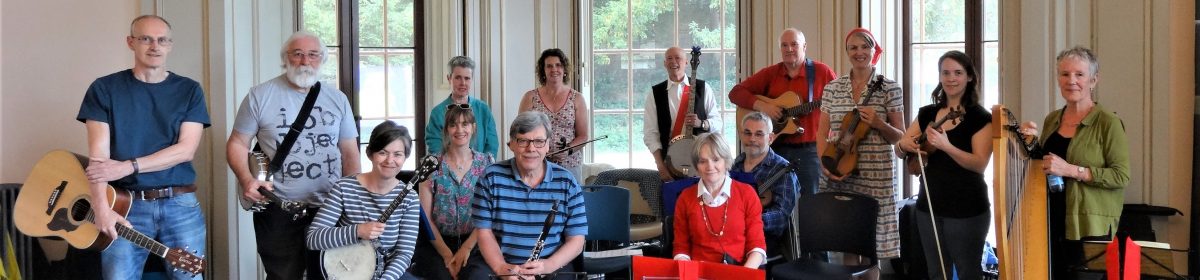
Here’s Broad Hoops, as tune from Lancashire that appears in the John Winder collection of 1835-41. Anyone interested in this, or indeed any other folk tune collections from England should check out the village-music-project.org.uk
An instrumental version of the Irish song, the Lark in the Clear Air, with low harmony.

Here’s the video of just the tune:
And finally, the tune with the chords:
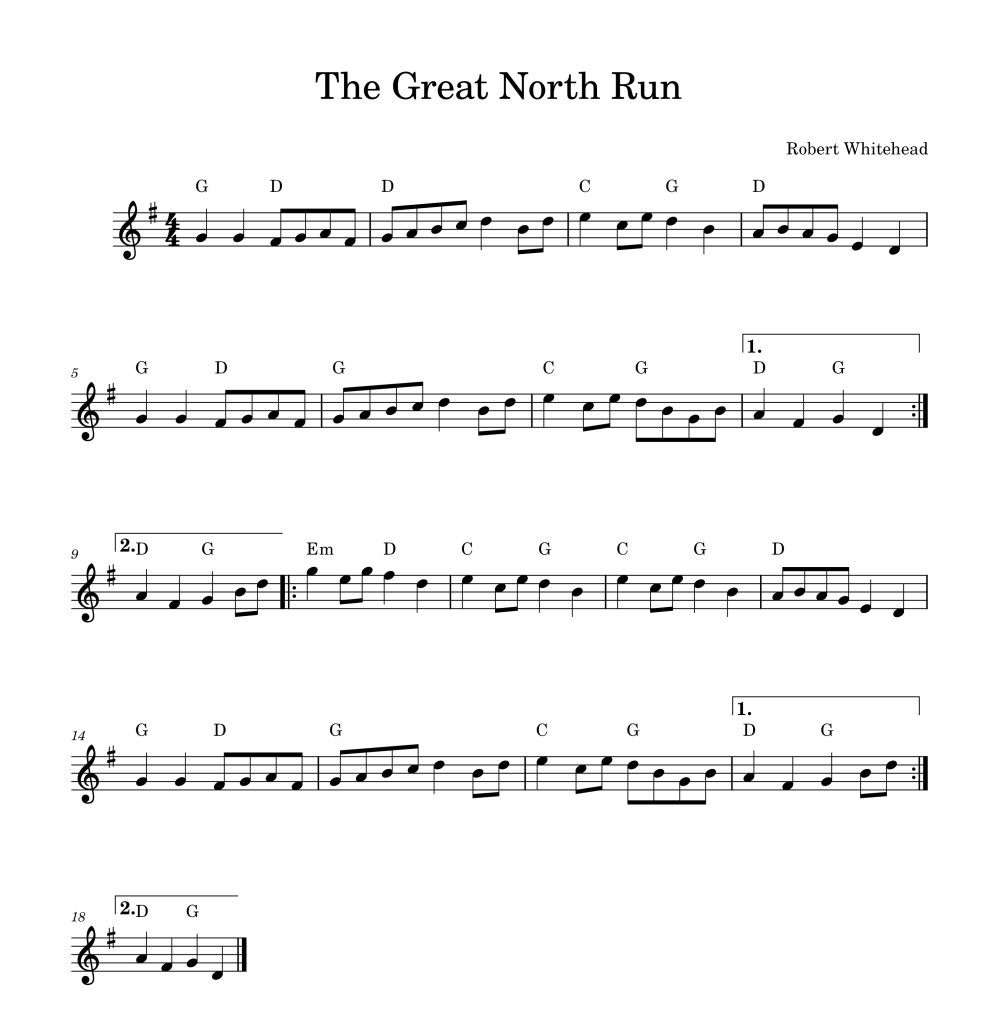
We took our recent tunes, The Great North Run and Ger the Rigger, and tried swinging the rhythm to give them more of a hornpipe feel. I’ve come across both tunes played this way, so it really is a case of two for the price of one!
The Great North Run by Robert Whitehead, a fabulous tune to potentially go with Ger the Rigger.
A cheerful tune to start our term, Irish polka Ger the Rigger. This tune appears in the 1976 book Ceol Rince na hÉireann vol. 2. Here are the basic dots, with an additional ornamented/varied version:

Here is the tune and harmony:
Here’s a slow and a faster version, with the riff at the end:
Here is the riff we tried (this will be developed next week!):

Finally here’s a fantastic version of the tune, it has more of a swing to it and a really lovely groove.
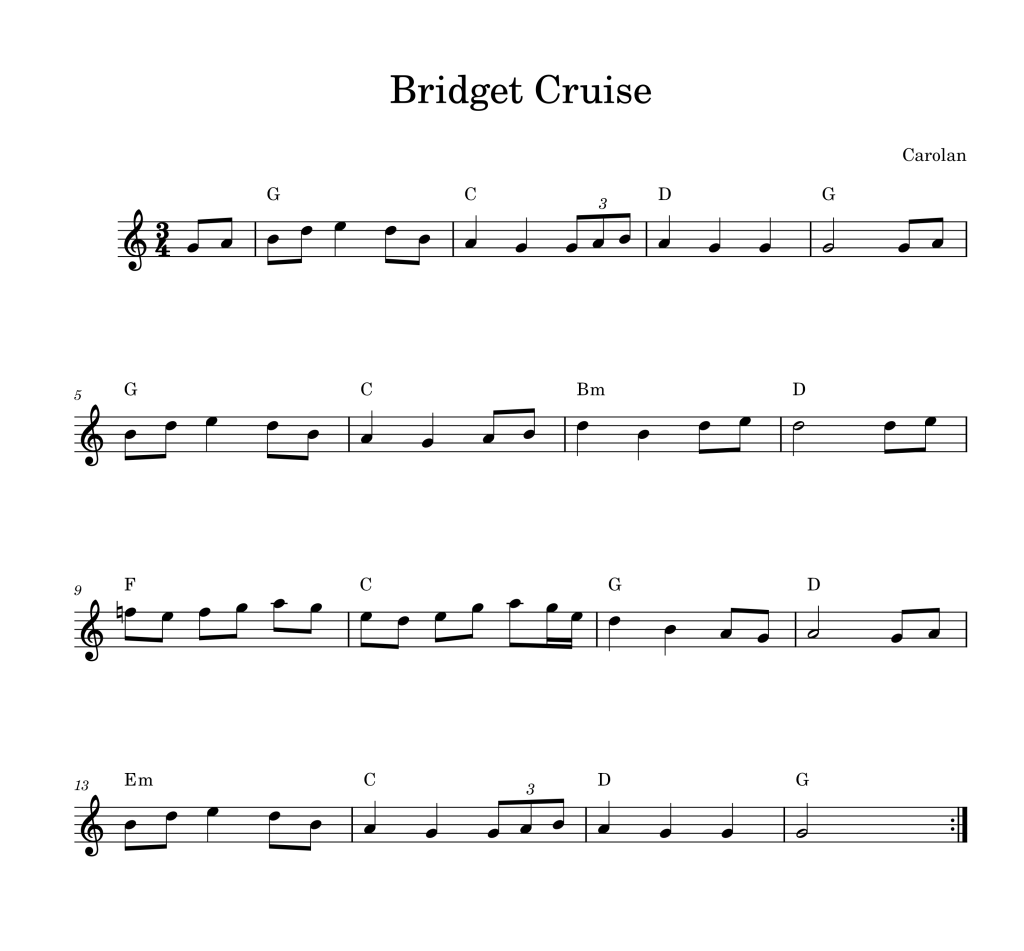
Two Irish tunes here, both by the blind harper Turlough O’Carolan (1670-1738), they will go in a set together in this order. Videos and dots below.

Hunt the Squirrel is a fantastic and widespread tune, with many different versions (I know three different versions of the B part!) and it dates back to at least the mid 1700s.
We will use this tune in our forthcoming appearance at Ealing Country Dance Club, pairing it with Dory Boat.
The alternative arrangement for Hunt the Squirrel was drone G/D for whole A part and drone G/E for 1st half of B then return to G/D, some melody players play an octave lower. The alternative arrangement for Dory Boat was using a simplified B part (removing notes) and some melody players playing the root notes of the chords. Please make your own notes/references for this!

Here’s another Welsh tune to go with Cariad-Gan Y Sguthan, Y Crythor Llon or The Merry Fiddler. We’ll look into some alternative chords another week!
Here are the video, dots and PDF:


 New Ealing Sessions